Many parents spend decades building financial stability for their families. Naturally, they want that stability to continue for the next generation.
But an important question often arises during estate planning conversations:
What happens if an heir receives a large inheritance before they are ready to manage it?
It is not uncommon for young adults or financially inexperienced beneficiaries to struggle with sudden access to significant wealth. Without structure, an inheritance that was intended to support someone for many years can disappear quickly.
Estate planning tools such as revocable living trusts allow families to design a more thoughtful approach.
Why Inheriting Assets Outright Can Be Risky
A will typically distributes assets outright once the estate administration is complete. When that happens, the beneficiary receives full control immediately.
For some heirs, this works well. For others, especially younger beneficiaries, immediate control can create challenges.
Common concerns families raise include:
- Limited experience managing large sums of money
- Pressure from friends, partners, or outside influences
- Spending decisions made without long-term planning
- Exposure to creditors or divorce claims
Estate planning is not about controlling an heir’s life. It is about recognizing that financial maturity often develops over time.
How Trusts Create Structure
A revocable living trust allows a person to leave assets to a trustee who manages them for the benefit of the beneficiary.
Instead of receiving the entire inheritance at once, the beneficiary receives support according to terms set in the trust.
The trustee may distribute funds for:
- education
- housing
- medical expenses
- reasonable living costs
This structure provides support while helping ensure the inheritance lasts.
In Alabama and Florida, trusts are commonly used for this purpose because both states recognize strong trust frameworks under their respective trust codes.
Common Ways Families Structure Distributions
Estate planning does not require an all-or-nothing approach. Many trusts include gradual distribution plans.
Examples may include:
Age-based distributions
A trust might provide partial distributions at certain ages, such as 25, 30, and 35.
Discretionary distributions
A trustee may have discretion to make distributions based on the beneficiary’s needs, education, or health.
Income distributions
Some trusts provide only investment income while preserving the principal.
Milestone distributions
Families sometimes allow distributions tied to life milestones such as completing school or purchasing a home.
Each structure balances support and protection differently.
Spendthrift Provisions
Many trusts include spendthrift provisions.
These provisions can help:
- prevent beneficiaries from pledging their inheritance to creditors
- limit claims from lawsuits
- discourage impulsive transfers or borrowing against the trust
Both Alabama and Florida law recognize spendthrift protections in properly drafted trusts.
Trusts Can Help in Other Situations Too
Planning for financially inexperienced heirs is only one reason families use trusts.
Trusts are also commonly used when:
- a beneficiary has special needs
- there are concerns about creditors or divorce
- a family owns real estate in multiple states
- parents want to provide guidance over time rather than one immediate transfer
Each family’s goals are different.
Choosing the Right Trustee
A trust is only as effective as the person responsible for administering it.
Families often choose a trustee who is:
- financially responsible
- able to communicate clearly with beneficiaries
- willing to follow the terms of the trust
Sometimes this role is filled by a family member. In other situations, a professional trustee may be appropriate.
Learn More About How Trusts Work
If you would like a clearer introduction to how trusts function in estate planning, we offer a free on-demand webinar that explains the basics in plain language.
Trusts Demystified: What They Are and Why You Might Need One walks through how trusts work, how they are used in everyday estate planning, and when families may consider using one.
You can watch the webinar anytime here.
What Thoughtful Planning Actually Looks Like
An inheritance is meant to provide stability and opportunity. Whether it does depends largely on how it is structured and whether the people responsible for carrying it out understand what they are being asked to do.
A trust does not prevent an heir from benefiting from what a family built. It creates a framework that gives the inheritance a better chance of doing what it was intended to do, supporting someone over time rather than all at once. That distinction matters, and it is worth thinking through before a plan is finalized.
If you would like a clearer introduction to how trusts function before making any decisions, our on-demand webinar is a good place to start. Trusts Demystified: What They Are and Why You Might Need One walks through how trusts work, how they are used in everyday estate planning, and when families may consider using one. You can watch it anytime at this link.
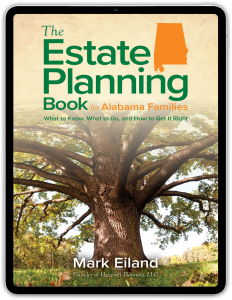
If you are still building your foundation in estate planning more broadly, the free guide we put together for Alabama families covers wills, trusts, beneficiary designations, and how to think through your options. The Estate Planning Book for Alabama Families is written by Mark Eiland, founder of Heircraft Planning, and available at no cost on our website.
Heircraft Planning also offers free educational seminars in Mobile for individuals and families who want to explore these topics in depth. Light dinner is provided. You can find upcoming dates and register at heircraftplanning.com/upcoming-events. If you are ready to talk through your specific situation, you are also welcome to schedule a consultation directly.