What Trust Administration Is and How It Works
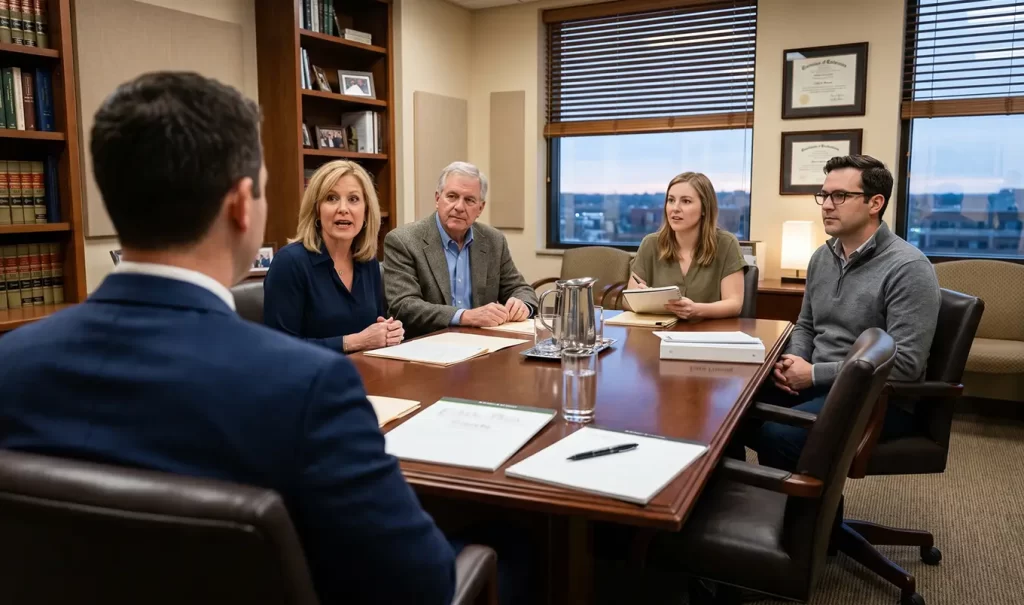 When someone creates a revocable living trust, they typically serve as their own trustee during their lifetime. They manage the assets, make decisions, and retain full control. When that person passes away or becomes incapacitated, however, a successor trustee steps in to carry the plan forward.
Trust Administration is the process of managing and distributing trust assets according to the instructions left by the person who created the trust.
Unlike probate, trust administration generally happens outside of court. That is one of the reasons many families choose a trust-based plan in the first place. The process can move more quickly, remain private, and avoid the delays that come with court oversight.
That said, trust administration is not automatic. It still requires careful attention, legal knowledge, and proper execution.
What a Trustee Is Actually Responsible For
Serving as a successor trustee is a meaningful responsibility. Most people who are named to the role genuinely want to honor the person who trusted them. What they often do not anticipate is the scope of what the job actually involves.
A trustee is responsible for notifying beneficiaries, gathering and valuing assets, managing investments or property held in the trust, addressing any outstanding debts or tax obligations, keeping detailed records, and distributing assets to beneficiaries according to the trust's terms.
Trustees also have a legal duty to act in the best interest of the beneficiaries. That standard, known as a fiduciary duty, means personal interests cannot influence how the trust is managed. Every decision needs to be grounded in what the trust requires and what the beneficiaries are entitled to receive.
For someone who has never done this before, that is a significant amount to navigate, often during an already difficult time.
Where Things Can Go Wrong
Even well-drafted trusts can run into complications during administration. Beneficiaries may have different expectations. Assets may be titled incorrectly, meaning they fall outside the trust and still require probate. Tax filings may be required. Real estate or business interests may need to be managed or sold.
Trustees who try to handle these responsibilities without guidance sometimes make decisions that create legal exposure, delay distributions, or damage family relationships. The intent is almost always good. The problem is that good intentions do not replace proper process.
How Heircraft Planning Can Help
Our firm works with successor trustees at every stage of the trust administration process. We help clients understand their legal responsibilities, prepare the required notices and documents, address creditor claims, coordinate with financial institutions and other advisors, manage tax considerations, and guide the final distribution of trust assets to beneficiaries.
For trustees who feel uncertain about where to begin, we provide the structure and clarity needed to move forward with confidence. For beneficiaries who have questions about the process or their rights, we can help them understand what to expect and what they are entitled to know.
Trust administration works best when the right people have clear guidance and a process they can follow. That is what we are here to provide.
If you have been named as a successor trustee, or if a loved one has passed and you are not sure how to proceed, we encourage you to reach out. A consultation is a good place to start.