Do I Need a Will or a Trust?
As a new year begins, many people take stock of their finances, goals, and plans. It is often a season for getting organized and thinking about what comes next. For many families, estate planning lands on that list — but the starting point feels unclear.
One of the most common questions we hear is simple and understandable:
Do I need a will, a trust, or both?
The honest answer is that there is no one-size-fits-all solution. What works depends on your family, your assets, and where you live. For Alabama and Florida residents especially, state-specific rules can significantly affect how an estate plan functions.
Understanding the difference between these tools is the first step.
Wills and Trusts Serve Different Purposes
A will is a legal document that outlines who should receive your property at death and who should handle the administration of your estate. In most cases, a will must go through probate, which is a court-supervised process. Probate is not necessarily a problem, but it is public and can take time.
A trust is a legal arrangement that allows assets to be managed and distributed according to instructions you set, often without court involvement. When properly created and funded, a trust can help avoid probate and provide more control over how and when assets are distributed.
Many people assume trusts are only for the wealthy. In reality, families with a home, retirement accounts, minor children, or blended family considerations often benefit from trust planning. The decision is less about wealth and more about goals, control, and complexity.
If you want a deeper explanation of what wills do — and what they do not — we walk through common misconceptions in our post Debunking Common Misconceptions About Wills.
Why Estate Planning Is About More Than Documents
Estate planning is not only about deciding who receives property. At its core, it is about protecting people, preserving control, and reducing uncertainty during difficult moments.
Making sure someone can act when you cannot
If you become ill or injured and cannot make decisions for yourself, someone needs clear legal authority to step in.
Providing clear instructions after death
A will or trust ensures your wishes are followed and reduces confusion for the people you leave behind.
Reducing court involvement and administrative burden
Thoughtful planning can limit delays, public proceedings, and unnecessary stress for loved ones.
Protecting loved ones from avoidable financial strain
Coordinating assets and beneficiary designations can prevent unintended losses and complications.
These priorities look different for every family. The right plan depends on your relationships, your assets, and your goals — not just on which documents you sign.
Starting the New Year with Clarity
Estate planning is not about predicting the future. It is about making thoughtful decisions now so the people you care about are protected later.
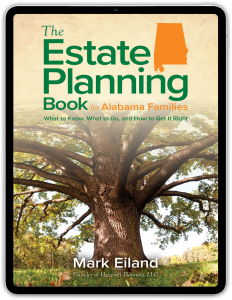
If you want a broad, educational overview of how estate planning works in Alabama, we’ve put together a free guide that walks through the process step by step:
The Estate Planning Book for Alabama Families
https://heircraftplanning.com/estate-planning-e-book/
Talk With an Estate Planning Attorney
If you’ve been wondering whether you need a will, a trust, or both, that’s a sign it’s time to talk with someone who does this every day.
Contact Heircraft Planning to discuss your options and take the next step forward.